Iran's Borders Ignite: New Fronts in US-Israel Conflict
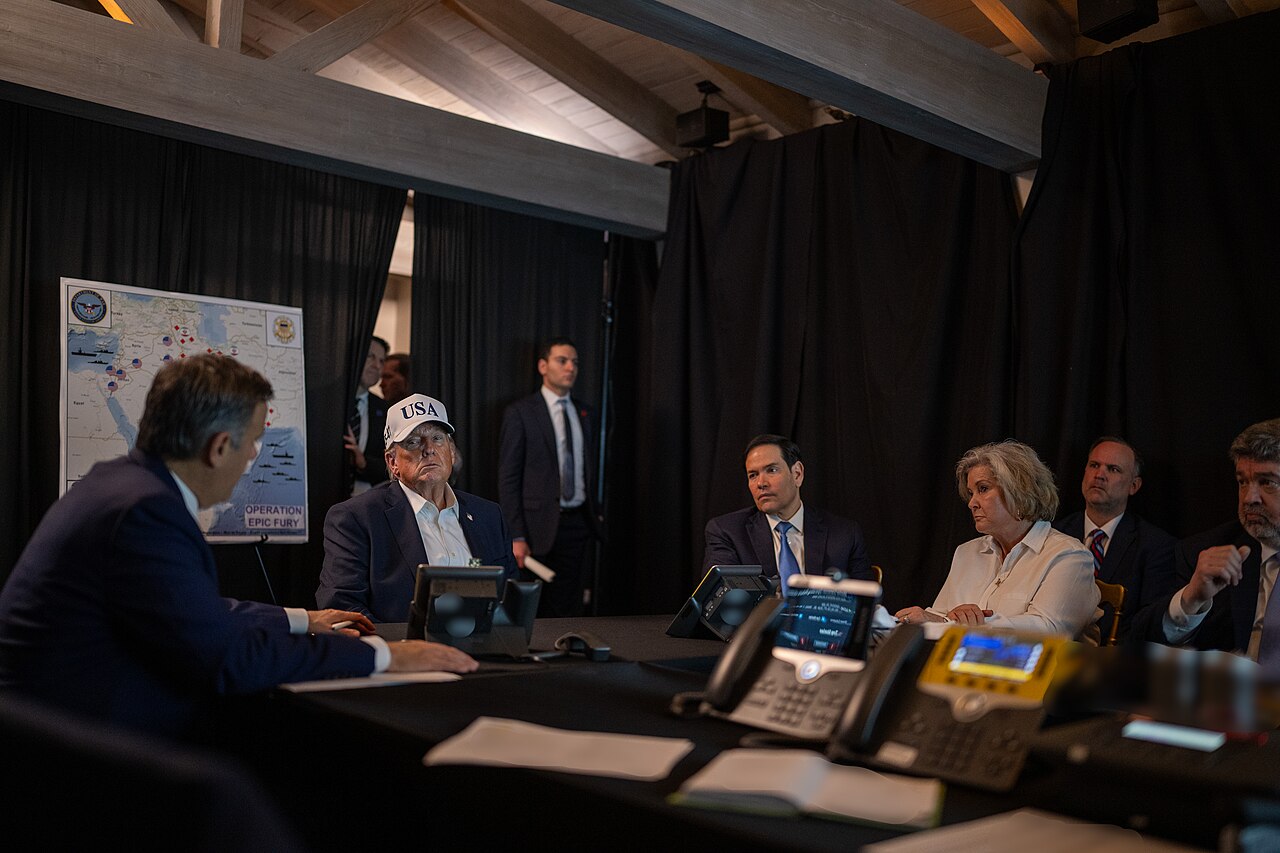
The geopolitical landscape surrounding Iran is experiencing a dramatic escalation, with its borders transforming into potential new fronts in the long-standing tension between the United States, Israel, and Tehran. Recent developments, ranging from drone strikes in Azerbaijan to intense airstrikes along the Iran-Iraq border and the mobilization of various ethnic groups, signal a critical shift in strategy, potentially leading to a broader and more destabilizing conflict. The specter of a direct United States offensive in Iran, often debated in international circles as an "états-unis offensive iran" scenario, appears more tangible than ever, raising serious questions about regional stability and the future of the Middle East.
Escalation on Iran's Western Flank: The Iraq Border Offensive
Northern parts of Iran’s border with Iraq have become a hotbed of military activity, witnessing intense waves of airstrikes against dozens of military positions, frontier posts, and police stations. These operations are widely interpreted as preparatory steps by the U.S. and Israel for a new front in their ongoing confrontation with Iran. A U.S. official, privy to discussions between Washington and Kurdish leaders, confirmed the readiness of the United States to provide air support should Kurdish fighters cross the border from northern Iraq.
An Israeli military spokesperson openly stated that the air force has been "heavily operating in western Iran to degrade Iranian capabilities there and to open up a way to Tehran and create freedom of operations there." This audacious declaration underscores the strategic objectives: not merely containment, but a proactive effort to weaken the Iranian regime's defenses and create pathways for deeper engagement. This strategy mirrors historical playbook tactics, aiming to exploit border vulnerabilities and create internal pressures.
In response, Iran has issued stern warnings to "separatist groups" against joining the widening conflict, asserting its sovereignty by launching strikes against Iraq-based Kurdish groups "opposed to the revolution." Ali Larijani, the secretary of Iran’s Supreme National Security Council, cautioned, "Separatist groups should not think that a breeze has blown and try to take action." This highlights Tehran's deep concern over external forces leveraging internal ethnic divisions.
Indeed, Kurdish opposition group leaders, including Khalil Nadiri of the Kurdistan Freedom Party (PAK), have confirmed contact with U.S. officials regarding potential operations. Some of their forces have already moved to areas near the Iranian border in Sulaymaniyah province, standing by for potential action. Former President Donald Trump reportedly contacted leaders of Iranian Kurdish factions based in northern Iraq, indicating an openness to supporting groups willing to take up arms against the current regime. This robust mobilization effort is a key component of the broader US-Israel Offensive: Mobilizing Kurds Against Iran. Clandestine operations in northwestern Iran, where Kurdish communities are concentrated, have significantly "ramped up" since the brief conflict between Iran and Israel last summer, according to former intelligence and defense officials.
Key Insight: The strategic use of air power in conjunction with ground mobilization of local forces presents a significant challenge to Iran's border security. The objective of "opening up a way to Tehran" suggests a long-term strategy beyond mere border skirmishes, aiming to destabilize the regime from within and without.
The Azerbaijan Incident: A New Northern Flashpoint
Adding another layer of complexity to the escalating tensions, the United States unequivocally condemned Iran’s March 5 attack on Azerbaijan’s Nakhchivan region. Drones struck near an international airport and a school, resulting in civilian injuries and infrastructure damage. Washington denounced the strike as a blatant violation of Azerbaijan’s sovereignty and reaffirmed its unwavering support for its regional partner.
This incident is particularly significant as it opens a potential northern front for Iran. Nakhchivan, an autonomous exclave of Azerbaijan bordered by Armenia, Iran, and Turkey, is a strategically sensitive area. An Iranian attack here not only demonstrates Tehran's willingness to project power beyond its immediate western borders but also risks drawing in other regional actors, particularly Turkey, which has strong ties with Azerbaijan. The U.S. condemnation and pledge of support for Azerbaijan signal a clear red line and broaden the scope of potential international involvement in any further Iranian aggression.
Fact: Nakhchivan's strategic location makes it a crucial transit corridor, and any instability there could have far-reaching economic and geopolitical implications for the Caucasus region and beyond.
Internal Dynamics: Fueling Insurgency and the Risk of Civil War
The strategy of backing armed groups from Iran’s diverse ethnic communities — including Kurds in the west and Baloch militant groups in the southeast, who have reportedly moved from remote mountain bases in Pakistan into Iran — carries immense risks. Experts warn that this approach could "open up a hornet’s nest," exacerbating existing divisions within Iran's diverse population. While potentially weakening the current regime, it significantly increases the risk of a chaotic civil war if the government were to collapse.
Iran is a multi-ethnic state, with significant populations of Azeris, Kurds, Arabs, Baloch, and others. Historical grievances and aspirations for greater autonomy among these groups could be ignited by external support, leading to widespread internal conflict. The Peshmerga, the traditional fighting forces of the Kurds, are known for being motivated, mobile, and disciplined, often proving effective against better-armed enemies on familiar terrain. Their involvement, alongside other groups, could fundamentally alter the internal security landscape of Iran.
Practical Tip: Understanding Iran's ethnic composition and the historical context of each group's relationship with the central government is crucial for analyzing the potential trajectory of this conflict. External backing for these groups, while strategically appealing for regime change, could inadvertently trigger a humanitarian crisis and prolonged instability, impacting global energy markets and migration patterns.
The Shadow of a 'Forever War': Is Iran Next?
President Donald Trump’s announcement regarding a potential United States offensive against Iran alongside the Israeli military has inevitably drawn comparisons to past U.S. interventions in the region. Many Americans and international observers are asking whether this latest military operation could become another "forever war," akin to the prolonged U.S. engagements in Iraq and Afghanistan. This concern highlights a deep-seated apprehension about open-ended military commitments with unclear objectives and high human and financial costs.
The term "forever war" refers to conflicts that lack clear victory conditions, become protracted, and involve continuous military presence and engagement without a definitive end. The complexities of Iran's internal dynamics, its vast geography, and its deeply entrenched Revolutionary Guard Corps suggest that any external military intervention, particularly one aiming for regime change, could easily devolve into a protracted, multi-sided conflict. The idea of an "états-unis offensive iran" is not just about initial strikes; it implies a long-term commitment whose endgame is far from certain.
Consider This: The lessons from Iraq and Afghanistan underscore the challenges of nation-building and the unintended consequences of regime change. A similar scenario in Iran, a country with significantly greater regional influence and military capabilities, could have exponentially larger and more unpredictable ramifications for global stability.
Conclusion
Iran's borders are rapidly transforming into active battlegrounds, marking a dangerous new phase in the protracted US-Israel conflict with Tehran. From the volatile Iran-Iraq frontier, where an offensive leveraging Kurdish and Baloch groups is taking shape, to the recent drone strike in Azerbaijan signalling a northern flashpoint, the situation is increasingly precarious. The strategic objective appears to be a multi-front pressure campaign designed to degrade Iran's capabilities and potentially destabilize the regime from within. However, this strategy carries significant risks, notably the potential for igniting a chaotic civil war within Iran and trapping the international community in yet another "forever war." The question of a direct United States offensive against Iran, or an "états-unis offensive iran", is no longer purely hypothetical, demanding careful attention to its potential consequences for regional and global stability.